

"Leave the World Better Than You Found It": Dr Liz Rickman on Medicine, Activism and Creating Change
This page features the full interview with Dr Liz Rickman, as heard in LOTL Lounge Season 9, Episode 4
Listen to the complete conversation below or continue reading the expanded written feature.
From lesbian health advocacy to Greenpeace direct action, Dr Liz Rickman has spent four decades proving that social change happens when people show up, speak up and refuse to give up.
When Dr Liz Rickman was a teenager, she overheard a conversation that would quietly shape the rest of her life.
A family friend had passed away, and Liz remembers hearing her mother say: "She left the world a better place than she found it."
"It was a moment," Liz recalls. "I thought, what a fine thing to do."
It was a simple statement, but one that became a guiding principle. Decades later, it is difficult to think of a better summary of Liz's extraordinary career as a doctor, activist, environmental campaigner and co-founder of the Australian Lesbian Medical Association (ALMA).
Appearing on a recent LOTL Lounge bonus episode, Liz reflected on a life spent challenging discrimination, advocating for women's and lesbian health, and working to create social and environmental change at every level, from hospital corridors to the United Nations.
Fighting to Belong in Medicine
Like many women entering medicine in the 1970s and 1980s, Liz quickly discovered that ability was not the only factor determining career opportunities.
After deciding she wanted to become a physician and endocrinologist, she applied for specialist training. What happened next was a stark lesson in gender discrimination.
"I was told quite quietly that only ten people were being accepted, but only one was allowed to be a woman because women don't progress in their careers."
The barriers didn't stop there.
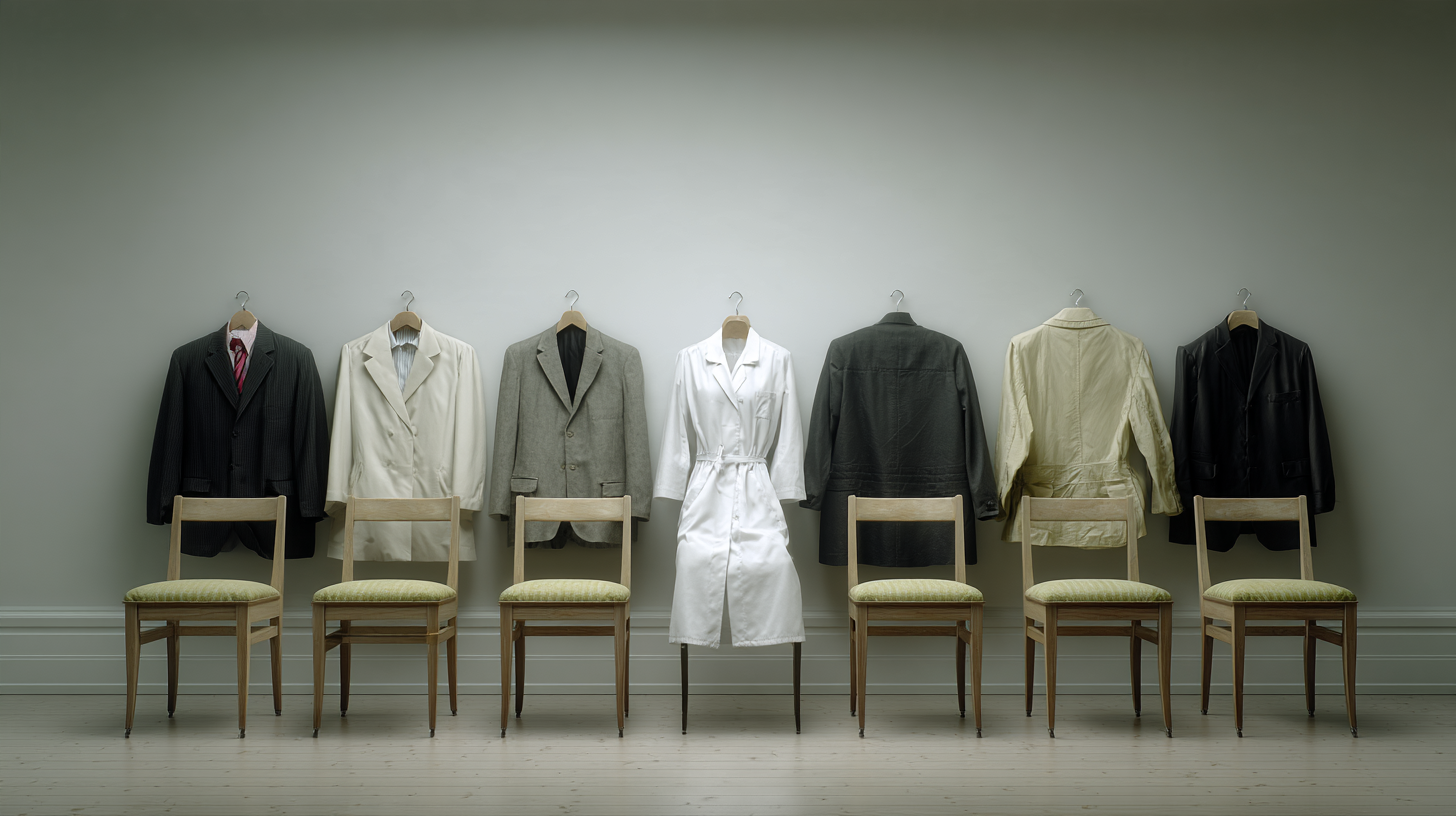
At one hospital, Liz arrived for work wearing what she describes as a smart three-piece brown corduroy pantsuit. She was immediately reprimanded.
"No woman will wear pants in this hospital," she was told. "You're the first woman we've employed and you won't be wearing pants."
Those experiences inspired a lifelong commitment to supporting women and LGBTQ+ people within medicine, many of whom still face discrimination today.
While some progress has been made, Liz says queer women continue to experience unique challenges.
"It's one thing to be a woman. It's another thing to be a lesbian as well."
The Forgotten Patients
One of Liz's earliest battles involved something many people now take for granted: recognition that lesbians need appropriate sexual health care.
She remembers participating in a survey examining cervical screening rates among women. The questionnaire contained a glaring flaw.
Women were asked whether they had recently had sex with men. If the answer was no, they weren't asked about Pap smears.
The assumption was clear: women who did not have sex with men did not need cervical screening.
"I was really quite shocked," Liz says.
As a GP, she had already treated women who had never had male sexual partners but who nonetheless developed abnormal Pap smear results, including serious abnormalities.
"There was this complete blindness to that."
At the time, lesbians were often lumped into the same category as women who had never been sexually active. The consequences were dangerous.
Today, those misconceptions have largely been challenged, representing one of many significant advances in lesbian health care.
Liz has also witnessed dramatic changes in fertility access for lesbian couples.
Where once women had to navigate secretive pathways and even undergo unnecessary medical procedures before accessing fertility services, today's options are dramatically more accessible and inclusive.
"We've seen huge changes," she says.
Why ALMA Was Born
The seeds of ALMA were planted through countless conversations with young medical students and junior doctors seeking guidance from someone who had successfully navigated medicine as an openly lesbian woman.
Liz had become something of an accidental mentor.
Medical students would specifically request placements at her Sydney practice. Many were queer, looking for reassurance that a future in medicine was possible.
"I thought, these young queer doctors should all know each other rather than just knowing me."
Then came a phone call from fellow GP Dr Carol Booth.
The two women shared a vision: creating a professional network where lesbian doctors could support one another, exchange knowledge and build community.
The first ALMA conference was held in 1999.
What began as a mentoring network quickly evolved into something much larger.
"I remember a surgical registrar who just cried as she talked about the harassment and bullying she was experiencing."
Support networks became lifelines. Careers that might otherwise have been abandoned were sustained because women finally had a community behind them.
But ALMA didn't remain solely a support organisation for long.
"You get a group of lesbians and feminists together," Liz laughs, "and it doesn't stay that way for very long."
Research grants were established. Advocacy campaigns followed. Lesbian health became a recognised field of inquiry rather than an afterthought.
A Breakfast That Changed Minds
One of the most powerful stories from Liz's activism unfolded unexpectedly at an international women's medical conference.
As members of the Medical Women's International Association, ALMA representatives organised what they called a "Lesbian Breakfast."
They expected attendees from progressive countries such as New Zealand, Germany and the United States.
Instead, the room filled with women doctors from countries where homosexuality remained deeply stigmatised and, in some cases, criminalised.
Some arrived carrying notebooks and pens.
"They wanted to know how to treat lesbians. How to cure lesbianism."
The ALMA team had prepared nothing beyond coffee, croissants and conversation.
What followed was something far more powerful than any formal presentation.
Rather than debate ideology, the women shared stories.
Dr Carol Booth discussed lesbian relationships. Academic and researcher Dr Ruth McNair addressed scientific questions. Liz spoke about isolation, family rejection and lived experience.
Gradually, the room transformed.
One Nigerian doctor sitting beside Liz began speaking about two young women from her village.
"I have two girls in our village who are like this," she told Liz. "How can I support them?"
The conversation had shifted completely.
"The room changed from 'How can we cure them?' to 'How can we support them?'"
For Liz, it remains one of the clearest examples of how genuine dialogue can create change.
From Lesbian Rights to Climate Justice
Alongside her LGBTQ+ advocacy, Liz has dedicated much of her life to environmental action.
As a volunteer medic on Greenpeace ships, she participated in direct-action campaigns targeting environmental destruction, including illegal oil dumping.
While some activists chained themselves to equipment or occupied ships, Liz's experience taught her something important about non-violent action.
"There was no aggression," she says.
Instead, Greenpeace activists approached crews as human beings rather than enemies.
"We understood that the sailors were just like us."
For Liz, the lesson was simple: direct action works best when combined with communication, education and strategy.
Over time her activism evolved from frontline action to policy advocacy and leadership.
Most recently she has been involved in Homeward Bound, a global leadership initiative focused on empowering women in STEM disciplines to take greater roles in shaping environmental policy and climate solutions.
The program brings together scientists, engineers, doctors and environmental experts from around the world to tackle complex challenges through collaboration.
"It's this diverse think tank that becomes very creative."
An Evolution of Consciousness
Asked whether she sees parallels between LGBTQ+ activism and environmental activism, Liz doesn't hesitate.
"To me, it's the same thing."
Drawing on the work of ecofeminist thinkers, she describes both movements as part of a broader "evolution of consciousness" centred on equity and care.
That equity extends beyond gender or sexuality.
"It's equity across religious, cultural, racial boundaries, and equity across all living beings."
It's a philosophy that continues to guide her work today through ALMA's Climate Action Group, advocacy at the United Nations, and support for initiatives linking human rights, healthcare and environmental sustainability.
Looking back across more than four decades of activism, however, Liz isn't interested in claiming personal victories.
Instead, she speaks about being part of something bigger.
"There was a wave," she says. "And I kind of went, 'Hey, let's go surfing.'"
The result is a life that has touched countless others, from young lesbian doctors finding their place in medicine to women halfway around the world rethinking what it means to support LGBTQ+ people in their communities.
Not bad for someone whose journey began with a simple idea overheard in a family sunroom.
Leave the world better than you found it. For Dr Liz Rickman, that has never been just a saying. It's been a lifelong practice.
Extended Interviews

Tabitha Lean
Queer communities have rituals for coming out, but almost none for coming home from prison. For criminalised queer women - especially Aboriginal women - release is met with silence, stigma, and uncertainty. This essay examines why belonging becomes conditional, how criminalisation intersects with colonialism, and why true queer liberation must include those whose lives have been shaped by imprisonment.
We Talk About Coming Out. We Don't Talk About Coming Home from Prison.
Mandahla Rose
Nikki Ayers OAM PLY: Paralympic Champion, Proud Lesbian, and the Power of Visibility
Actor Mandahla Rose speaks about her decade-long career across Australia and LA.

Aviva
Cold Water, Clear Truths
How One Swimmer Found Healing in the Icy Surf Coast

MAZZ Images
There are names that come to define a community, not always because they’re front and centre, but because they’re there, quietly (or not-so-quietly) making magic behind the scenes. For decades in Sydney’s LGBTQI+ world, one such name has been MAZZ of MAZZ Images: the woman in purple, camera always at the ready, capturing the moments that would become our shared memory.