Interview with
Kris Kneen
Bonus Episode: Listen to the unedited interview with Kris Kneen + Kris reads an excerpt from Rite of Spring
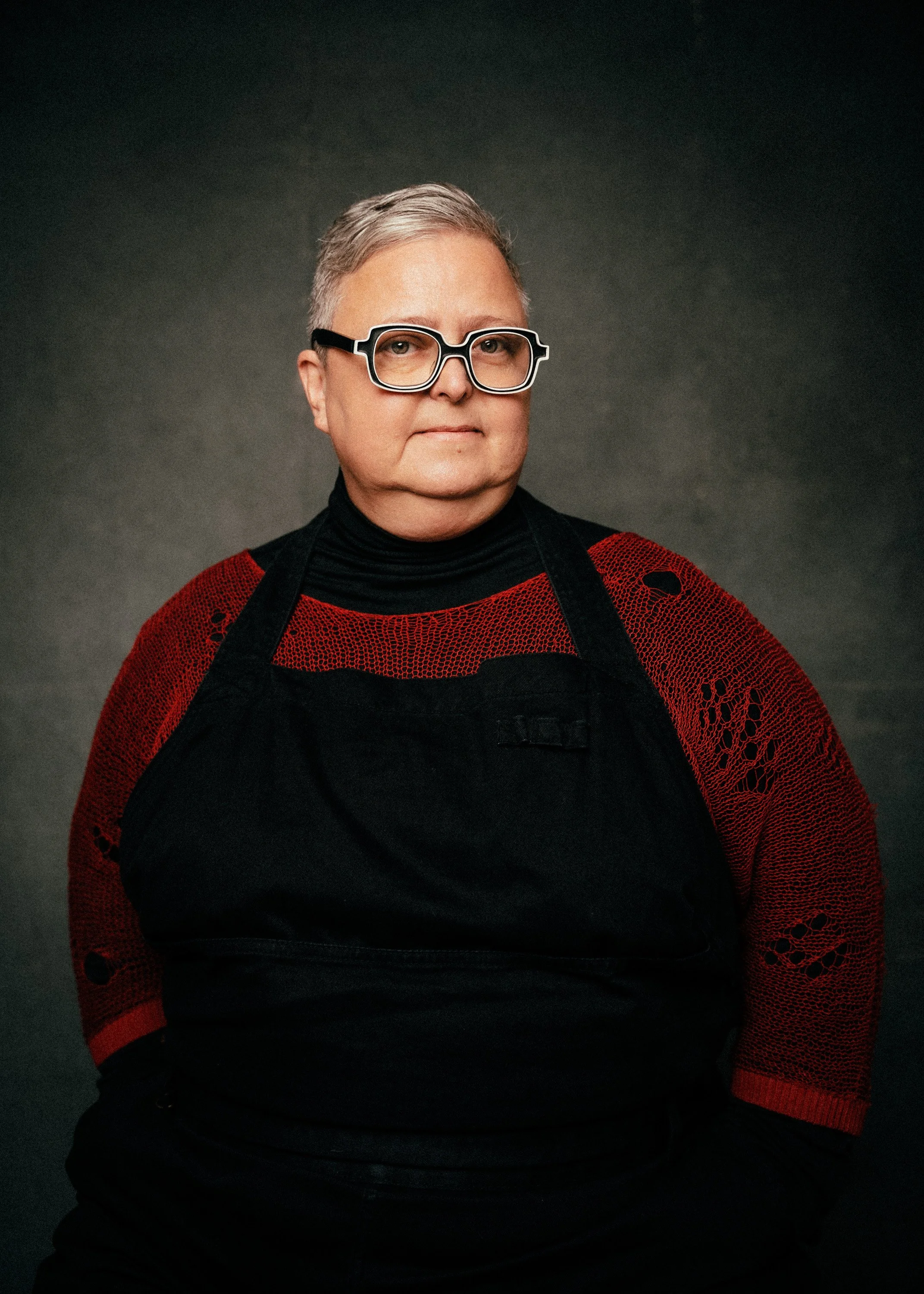
KRIS KNEEN is the award-winning author of fiction, poetry and non-fiction. They have been shortlisted for many awards, including the prestigious Stella Prize. Their poetry collection Eating My Grandmother won the Thomas Shapcott Prize. Their latest book, Rite of Spring, is published by Transit Lounge
Refinding Yourself: A Conversation with Award‑Winning Author Kris Kneen on Identity, Transition, and the Power of Being Different
A Name Change That Meant More Than a Name
When Kris Kneen decided to change their name, it wasn’t a small thing. Everything they’d written - fiction, nonfiction, poetry, scripts for documentaries and films - was attached to the name Krissy. It was a name that carried a body of award‑winning work, a reputation, and a history they were proud of. But it was also, as Kris describes it, “such a feminised version of my name.” And Kris had come to realise something important: they are, and always have been, non‑binary.
“I wanted people to understand that I was identifying as non‑binary now,” Kris explains. “The name change makes it really clear. But everything I’ve written is attached to that name. It was a big decision to work out whether those things would follow me, because I was proud of those books and I still want to own my history as a writer.”
Ultimately, clarity won out. Kris made the leap, choosing authenticity over convenience. “I decided it was more important to be clearer about my identity than to take the name with me.” Friends still call them Krissy - and Kris is fine with that. The name itself isn’t inherently gendered. But for Kris, the change was a line in the sand: a marker of living life as a non‑binary person.
A Lifetime of Chafing Against the World
What’s striking about Kris’s story is that the shift wasn’t about becoming someone new. “It’s not that I’ve changed, because I’ve always been the same,” they say. “It’s just that the way I want the world to see me has changed.”
The realisation that they were non‑binary was, in retrospect, a lifetime in the making. Kris describes having always “chafed against the world” in ways that, looking back, were clearly tied to gender identity. It took listening to a younger generation of non‑binary people describe their experiences for Kris to recognise their own.
“I just assumed that’s how everyone was,” they say. “And then I realised, oh no, actually that’s probably because I’m non‑binary too.”
The Rite of Spring: A Story of Change, Isolation, and Becoming
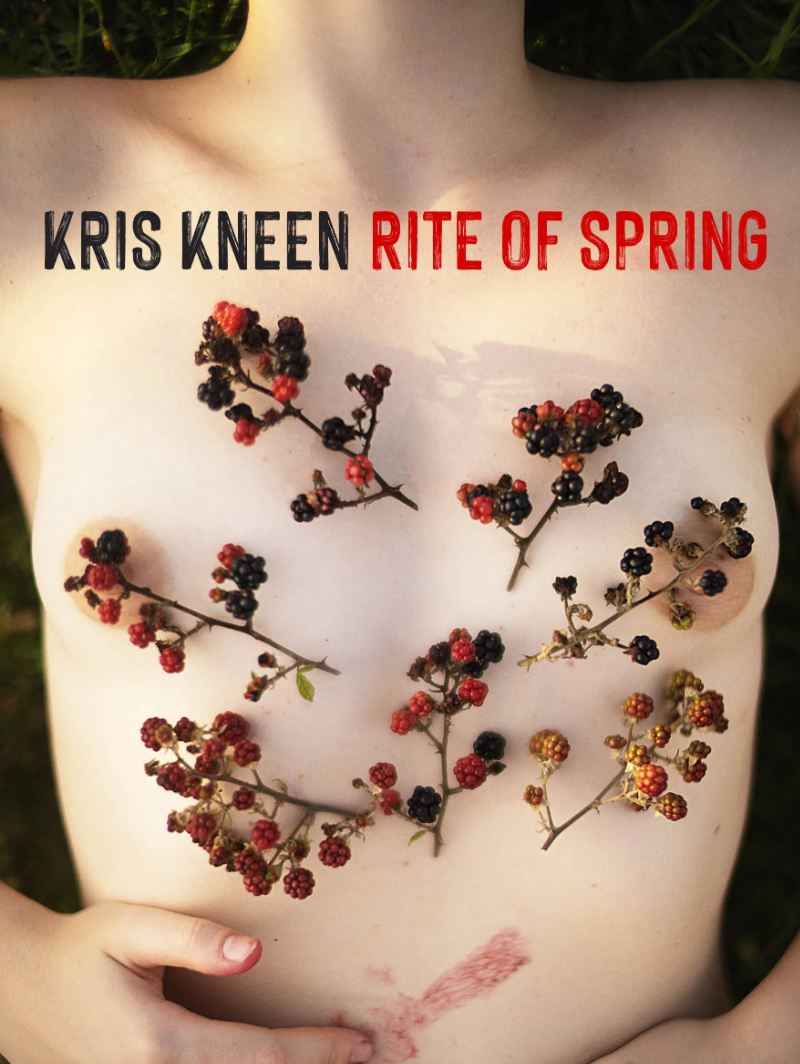
This journey of self‑discovery infuses Kris’s latest novel, The Rite of Spring. The book follows Miranda, a marine biologist who, after a diving accident, is no longer allowed to go underwater - the place where she felt most at home. She and her husband Richard travel to a remote island off the coast of Tasmania to serve as caretakers for six months, bringing all their supplies and largely cut off from the mainland. They hope the isolation will help repair both Miranda’s health and their marriage, which has been strained by Richard’s recent affair.
But the island is not the idyllic refuge they imagined. Miranda keeps seeing someone else - a figure she can’t identify, and she can’t tell if it’s a symptom of neurological damage or a real presence that shouldn’t be there. She begins hearing a strange keening sound at night, something that fills her body with an almost erotic sensation of transformation. Her husband doesn’t hear it. And when she discovers notebooks from previous caretakers - one of whom also saw someone on the island and believed them to be something not quite human - the novel takes on a gothic, unsettling edge.
At its core, The Rite of Spring is about change. Miranda is navigating menopause, a body that feels unfamiliar, and a life that no longer looks the way it once did. Kris is clear that the book isn’t just about gender transition - it’s about the broader experience of life transition, particularly later in life.
“So many people at an older age are going through a life transition,” Kris says. “That could be menopause, that could be other hormonal changes. But there comes a time when I’m unfamiliar to myself, where I can’t recognise the person I thought I was in this new version of self.”
The Power - and Strange Freedom - of Invisibility
Kris speaks candidly about the “cloak of invisibility” that descends on people - particularly as they age.
“Going to the Apple Store and waiting to be served, when every single younger, hotter individual is getting the attention they need, and you’re just invisible,” they say. “People physically can see younger people, whereas they physically can’t see me in certain situations. I find that really, really interesting.”
Rather than lamenting this invisibility, Kris explores its power.
“It’s okay to not be like everybody else,” they say. “Some people might see you as monstrous when you become a certain thing. But being a monster can be incredibly powerful. It’s a wonderful space to explore.”
Sexuality, Embodiment, and the Bodies Culture Ignores
Sexuality is another thread Kris weaves through their work, and The Rite of Spring is no exception. Kris has been writing about sexuality since the beginning of their career, fascinated by how it intersects with bodies and identities that culture tends to ignore or mock.
“We don’t tend to explore sexuality for people in different bodies and at different times in their life,” they say. “I’m fascinated with the changes of hormones that happen around menopause and how we still are sexual beings. We don’t see it. It’s almost like we stop being sexual beings at a particular time in life, and that’s not true at all.”
Kris’s body of work spans memoir, fiction, and poetry, but consistent themes run through all of it: embodiment, outsider identity, and the question of how to live in a world that doesn’t see you as ordinary.
Their memoir Fat Girl Dancing explored similar territory - living in a menopausal body read as female when you don’t feel like a woman, navigating fatness without pretending it’s simple or easy.
“It’s not a book about cheering on fatness,” Kris clarifies. “It’s a book that says it’s really difficult living in a fat body in the world, and this is the way it’s difficult, and I can’t change it, so how do we live with it?”
Finding Language, Finding Community
The queer community has been Kris’s strongest base of support. Since coming out as non‑binary, young trans people have told Kris that Affection, an earlier memoir, was the book that helped them realise they were trans.
“It would have been fantastic if someone had told me that I was trans,” Kris says with a laugh. They recall questioning whether they were transmasculine, but not feeling like a man. They didn’t fit in the woman box or the man box, and they didn’t have the language for what they were. It took years - and a new generation’s vocabulary - to find the frame that fit.
Advice for Queer Writers: Stay Strange, Stay Specific
For young queer writers, Kris’s advice is clear: find your own voice.
“Don’t try and write in the way other people write. Find your own unique voice and stick to that.”
In an era saturated with what Kris calls “AI slop,” they believe the perspective of queer writers - voices from the edges, outside the mainstream - will be exactly what people are drawn to.
“When AI scrapes everything and comes to a middle, average voice, that’s going to be a mainstream voice. The wonderful thing that queer writers have is a perspective that’s outside of that.”
What’s Next: Byron Bay Writers Festival and Beyond
Kris will be appearing at the Byron Bay Writers Festival, participating in panels about The Rite of Spring, non‑traditional families, fungi (“so many non‑binary people relate to the world of mycelium where the binary is just not a thing,” they note), and the art of reading - a skill Kris believes is quietly slipping away.
“Books have become shorter and shorter because people are finding it really difficult to concentrate. It does something to your brain to lose that. Fragmentary attention causes anxiety and stress. Reading has always been a way for me to calm down, to focus on one thing rather than seventy things at once.”
It’s a fitting reflection from a writer whose entire career has been about the power of paying attention - to your body, your identity, your desires, and the strange, unsettling spaces where who you were meets who you’re becoming.
Listen Up
Prefer to listen to the Podcast? Listen to the LOTL Lounge