

Interview with
Fiona McGregor

Fiona Kelly McGregor is an award-winning novelist, essayist and art critic whose books include the historical crime diptych Iris and The Trap (Picador Australia), which was shortlisted this year for the ARA Historical Novel Prize)and the essay collection Buried Not Dead. (Picador Australia) which was shortlisted this year for the ARA Historical Novel Prize.
Listen to the full-length Bonus Interview
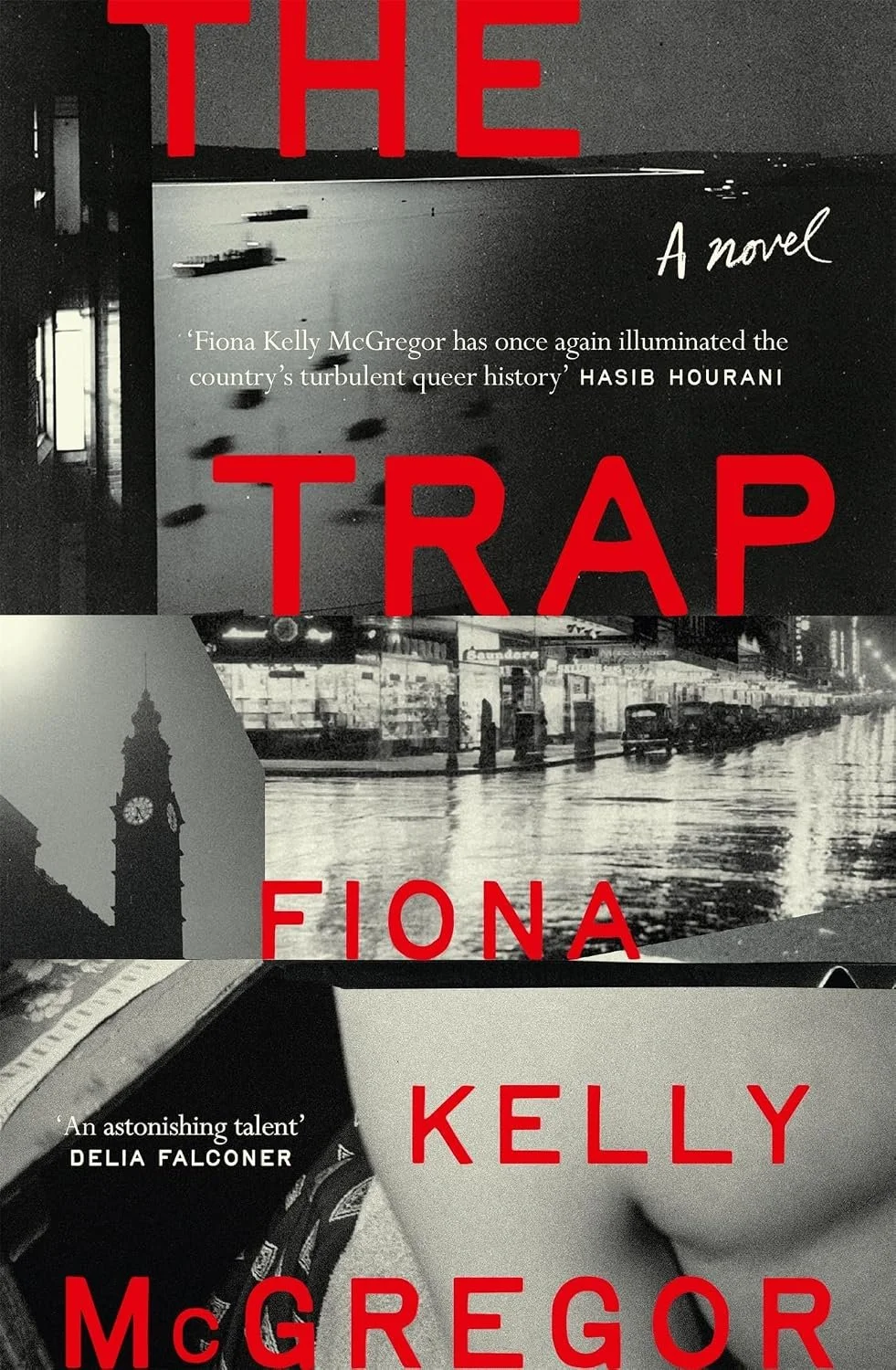
Hidden Histories, Queer Lives and Wartime Sydney: Fiona Kelly McGregor on The Trap
For many Australians, queer history seems to begin with Mardi Gras, gay liberation, or perhaps Stonewall. But long before those milestones, queer people were building lives, communities and cultures in Australia, often in the shadows, navigating laws designed to criminalise their existence while finding ways to live, love and connect.
Award-winning Sydney author Fiona Kelly McGregor explores this overlooked world in her latest novel, The Trap, a richly researched story set in wartime Sydney in 1942. Speaking with LOTL Lounge, McGregor shared the historical discoveries that inspired the novel, the real-life queer figures who inhabit its pages, and why Australia's own queer history deserves far more attention than it receives.
A Queer Scandal That Made Front-Page News
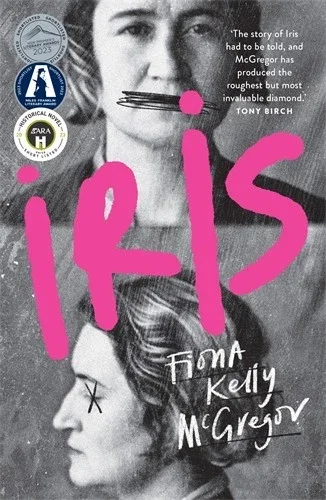
The Trap emerged from McGregor's research for her previous novel, Iris, which was based on the life of Iris Webber, a queer petty criminal active in Sydney during the 1930s.
While investigating the lives of minor characters connected to Iris, McGregor uncovered an extraordinary story: a major police entrapment scandal involving gay men in Sydney during 1942.
An entrapment was a policing tactic in which officers targeted locations where men were known to meet, such as public parks or toilets. Men would then be accused of indecent behaviour regardless of whether any offence had actually taken place. In an era when homosexuality was illegal, such accusations could be devastating.
"You would lose everything," McGregor explains. "Your job, your family, your social standing."
The scandal became so significant that it pushed news of World War II off the front pages of Sydney newspapers, despite the war reaching a critical moment internationally.
Yet the newspapers rarely discussed homosexuality directly. The stigma was so severe that even when men were being arrested and imprisoned, the nature of the offences was often only hinted at.
For McGregor, the story offered a window into the intersections of masculinity, power, corruption and the enforcement of morality.
"I was supposed to write three books about Iris Webber," she laughs. "Instead, I got distracted by this other story."
Beyond Mardi Gras: The Queer Sydney That Existed Before
One of the most fascinating aspects of The Trap is its depiction of queer Sydney decades before the social movements of the 1970s.
McGregor believes many Australians have become accustomed to looking overseas for queer history, particularly to stories from the United States and Europe. While those histories are important, Australia has its own rich and complex queer past.
"We did have our own culture here," she says. "It's really important for people to look at that and be proud of it and be interested in it."
Her research uncovered communities gathering in clandestine venues, creating networks of friendship and support, sharing music and stories, and finding ways to express themselves despite intense social and legal repression.
The details may have differed from today, but the motivations were familiar.
"They would gather together in ways that we still do today, to give each other support, to have fun, to dance and to share stories."
The Real Queer Characters Behind the Fiction
Although The Trap is a novel, many of its characters are inspired by real historical figures.
One of the most intriguing is Iris Webber herself. Often sensationalised as a "lesbian gangster" in historical accounts, McGregor paints a more nuanced portrait.
Webber was a shoplifter, busker and petty criminal who played accordion and survived however she could. While she had relationships with women, McGregor is careful about applying contemporary labels.
"I hesitate to call her lesbian because she never called herself that."
Another important influence is Ray Sales, a charismatic Aboriginal nightclub proprietor whose story entered McGregor's work through decades-old historical research and eventually through contact with his descendants.
After publishing Iris, McGregor was contacted by Simon Jordan, Ray Sales' great-great-nephew and a proud gay Aboriginal Sydneysider. Together they explored family stories, photographs and historical records that helped flesh out the character's life and legacy.
The collaboration became an important part of McGregor's creative process and highlighted the value of connecting archival research with living community memory.
Today, Ray Sales is recognised in exhibitions at Sydney's Qtopia, ensuring that this important chapter of queer and Aboriginal history is not forgotten.
Secret Nightclubs and Hidden Communities
One of the most vivid parts of McGregor's historical world-building involves Sydney's underground nightlife.
Inspired by historical accounts, including research by queer historian Gary Wotherspoon, McGregor recreated a nightclub known as Black Ada's, which operated on Wentworth Avenue.
According to oral histories from men who frequented the venue in the 1930s, Black Ada's provided a rare space where men danced together, gender expression could be explored, and queer people could gather openly, at least until police arrived.
When raids occurred, patrons would quickly rearrange themselves into apparently heterosexual pairings while hoping to avoid arrest.
These stories reveal a thriving underground culture existing despite constant scrutiny and risk.
Far from being isolated individuals, queer Sydneysiders were actively creating community, entertainment and belonging decades before modern LGBTQIA+ rights movements emerged.
History That Still Resonates Today
Although The Trap is set more than 80 years ago, McGregor sees clear connections between the world of the novel and contemporary Australia.
As she wrote the book, she found herself reflecting on ongoing concerns about policing, surveillance and the treatment of queer communities.
"There is a story of police corruption and brutality in Sydney that is unbroken from the time of colonisation till now," she argues.
The novel asks readers to consider not only how punitive laws affected queer people in the past, but also how systems of power continue to shape lives today.
At its core, The Trap explores what happens when governments grant authorities broad powers to police morality and behaviour, and how vulnerable communities become targets.
Why Historical Fiction Matters
Much of Australia's queer history has been painstakingly recovered by historians, archivists and researchers. Yet much of that work remains within academic circles.
For McGregor, fiction has a unique ability to bring these stories into public consciousness.
Historical records often tell only a fraction of someone's life. Court reports record crimes. Police files document arrests. Newspaper reports focus on scandal.
But those records rarely reveal friendships, romances, aspirations or the everyday experiences that make people human.
"That's where us novelists come in," McGregor says.
By weaving together historical evidence and imaginative storytelling, The Trap gives readers a chance to experience a forgotten queer Sydney that was vibrant, resilient and remarkably familiar.
A Legacy Worth Remembering
McGregor hopes readers come away with a deeper appreciation of Australia's own queer history and the generations who lived before us.
From underground nightclubs and police harassment to community networks and chosen family, the experiences depicted in The Trap remind us that queer Australians have always been here.
The history may have been hidden, but it was never absent.
The Trap shines a light into those forgotten corners of wartime Sydney, revealing a world of courage, danger, desire and resistance that deserves its place in Australia's cultural memory.
The Trap by Fiona Kelly McGregor is available now through Australian booksellers. Fiona is also an acclaimed art critic, essayist and performer whose work continues to explore the lives and stories that sit beyond the mainstream.
Featured Authors
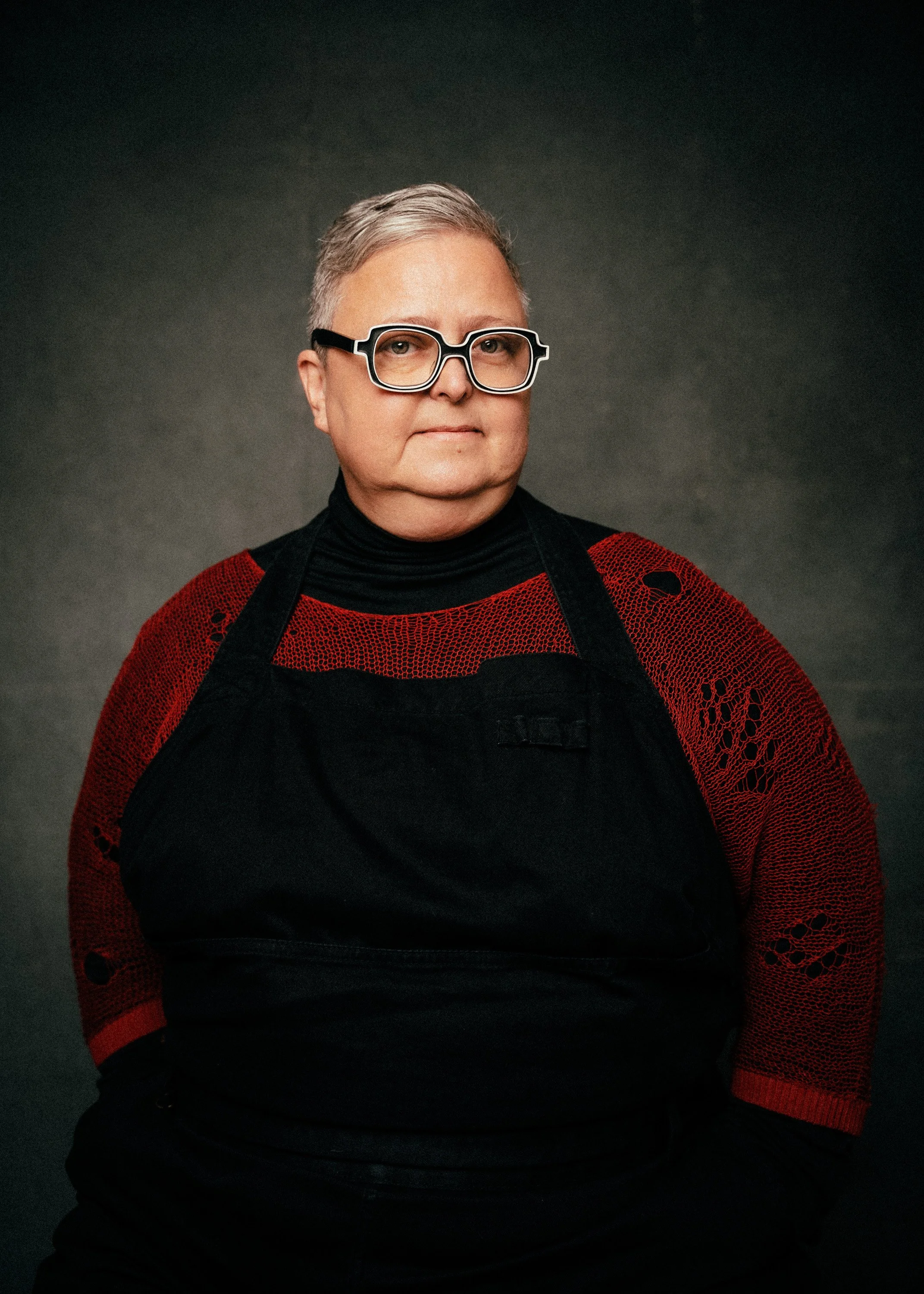
Kris Kneen
KRIS KNEEN is the award-winning author of fiction, poetry and non-fiction. They have been shortlisted for many awards, including the prestigious Stella Prize. Their poetry collection Eating My Grandmother won the Thomas Shapcott Prize. Their latest book, Rite of Spring, is published by Transit Lounge
Rire of Spring
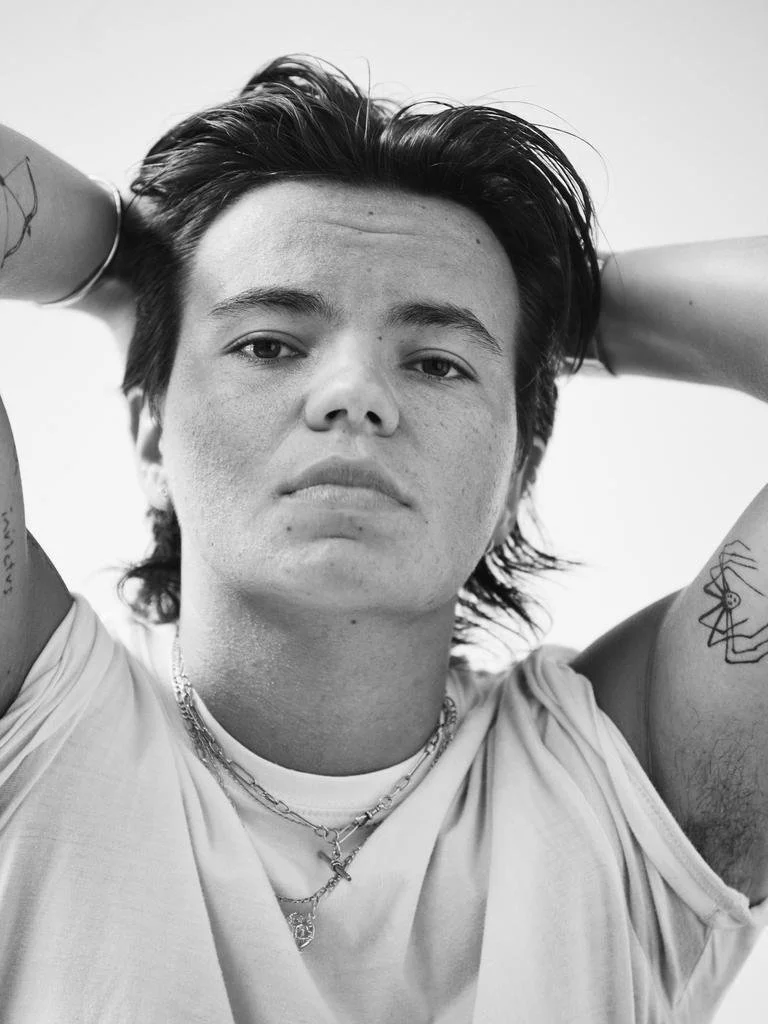
Zoe Terakes
Join us as Zoe Terakis, star of Wentworth and proud transmasculine Greek-Australian storyteller, dives into their revolutionary book, "Eros: Queer Myths for Lovers." From heartfelt discussions about ancient myths and Greek heritage to candid stories of gender joy, Zoe celebrates how queerness and trans identities have always belonged at the heart of human storytelling. This episode is an inspiring, fresh take on reclaiming history and embracing the beauty of living across worlds.
Eros: Queer Myths for Lovers

Madeleine Gray
Madeleine Gray is a Sydney writer, critic and novelist whose acclaimed debut, Green Dot, was published internationally and received multiple literary honours
Chosen Family & Green Dot

Dr Jeff Sparrow
SOMEWHERE HERE THE FUTURE'S HID
The Extraordinary Life of Lesbia Harford
Award–winning journalist. A senior lecturer at the Centre for Advancing Journalism at the University of Melbourne, he is a past editor of Overland and the author or editor of ten books, including No Way But This: In Search of Paul Robeson, Communism: A Love Story and the Radical Melbourne series. In 2019, he was the winner of the Pascall Prize for Arts Criticism.