Pride in the Quiet Places: Growing Up Queer in Regional Queensland
I turned eighteen three days after the postal vote closed.
Australia was deciding whether people like me deserved the right to marry, and I had just missed the chance to have my say.
I grew up in regional Queensland, in a town big enough to appear on a map without squinting, but small enough that nothing ever really happened. Pride was quiet then. The only rainbow flag I ever saw was a small one in my psychologist’s office - a simple gesture, but I couldn’t look away from it. I didn’t know loving someone of the same sex was even an option until I was fifteen. Representation was scarce, and the only queer people I knew were a handful of kids from school, who in turn knew a handful of others.
Finding Community on Eight Wheels
Through that tiny network, I discovered roller derby, a fast, fierce, women‑dominated sport on skates. I was hooked after watching one game.
When I joined the league, another newcomer signed up the same week. She was three years older, a little shorter, and openly gay - something that terrified me at the time. I was freshly eighteen and closeted to everyone except a few close friends. Befriending her felt like watching the clouds part for the first time. Something I never knew was possible suddenly became all I could think about.
We learned the sport together, travelled to tournaments, and met other people like us. Before long, she became my closest friend. She helped unwind the stigma coiled tightly in my chest and showed me that the world outside the closet wasn’t always as frightening as it seemed. It wasn’t perfect, but it was enough.
Leaving Home, Finding Myself
After a couple of years, my hometown began to feel small and stifling. Many of my friends had already migrated south to the city, and I was tempted to join them. While I’d never had a direct homophobic encounter, the possibility felt less like an “if” and more like a “when.”
I met my now‑wife while they were living in Brisbane, as they too had escaped the confines of regional Queensland. Being with them brought a sense of peace and protection I had never known. Before long, I was deeply in love, and the idea that anyone could call that wrong became unthinkable.
Eventually, after months of long distance and years of longing to leave, I moved to the city. It felt like landing on another planet.
There is no single way for a queer person to look, but there are signs if you know where to look. In the city, those signs were everywhere - flags, pronoun badges, pride‑patterned lanyards. Slowly, the fear I carried began to loosen. Holding my partner’s hand in public felt like a small rebellion at first, but over time it became something simple and natural. The panic never disappeared completely, but it softened in a place where queerness wasn’t unusual; it was visible.
“Life outside the closet can be frightening, even dangerous. But that’s where the sunshine is - and sometimes all someone needs is to see another person standing there first”
Returning to Regional Queensland
In 2025, my wife and I decided to move back. Losing my dad the year before had shaken me deeply, and it reminded me that as we grew older, so did our families. Most of ours were still scattered across the state we had left behind. Combined with the rising cost of living and the relentless pace of the city, returning home made sense - even if I was hesitant.
Over the years, my wife had grown into their identity as a non‑binary person. They dress in men’s clothes, keep their hair short, and wear their tattoos proudly. In cities, they blend into the mix of identities. In regional towns, they stand out like colour in a tintype photograph.
After watching them work so hard to embrace who they are, the idea of them shrinking themselves for safety - or facing consequences if they didn’t - terrified me.
Why Pride Still Matters
That fear reminded me of why Pride matters, especially in small towns. We only have the freedoms we do because others fought for them, and the next generation will only keep them if we continue that work.
So, I started making small but unmistakable statements. At work, I spoke openly about my wife and used their pronouns without hesitation. The first time was terrifying, but I persisted. Months into the job, I found a small pin and attached it to my uniform. It took days to gather the courage, not out of shame, but fear. Now it stays on my ID every shift - subtle but undeniable.
People often say, “I don’t hate gay people, but do they have to shove it down our throats?” The truth is: in places where queerness is less visible, representation matters. For every LGBTQ+ person brave enough to be themselves, there is someone still discovering who they are, looking for a sign that they’re not alone.
Standing in the Light
I don’t know if my wife and I will stay in small towns forever, but I know how important it is to show our true colours while we’re here.
When doubt crept in, I remember standing in front of the television on that November day - closeted, trembling, waiting. I remember hearing that 61.6% of voters said “Yes,” and feeling a weight lift that I hadn’t realised I’d been carrying.
Life outside the closet can be frightening, even dangerous. But that’s where the sunshine is. And sometimes, all someone needs to step into the light is to see another person standing there first.
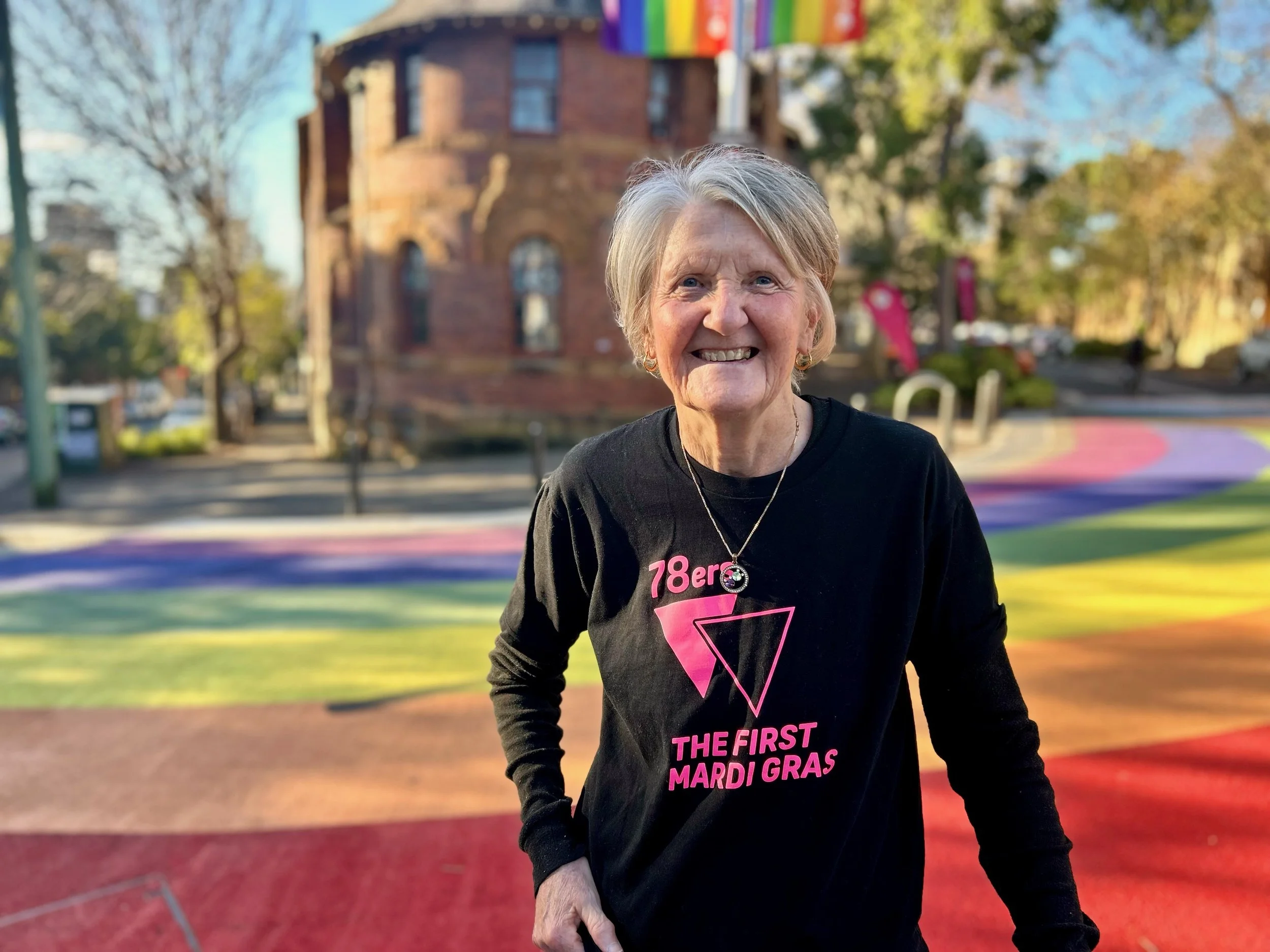

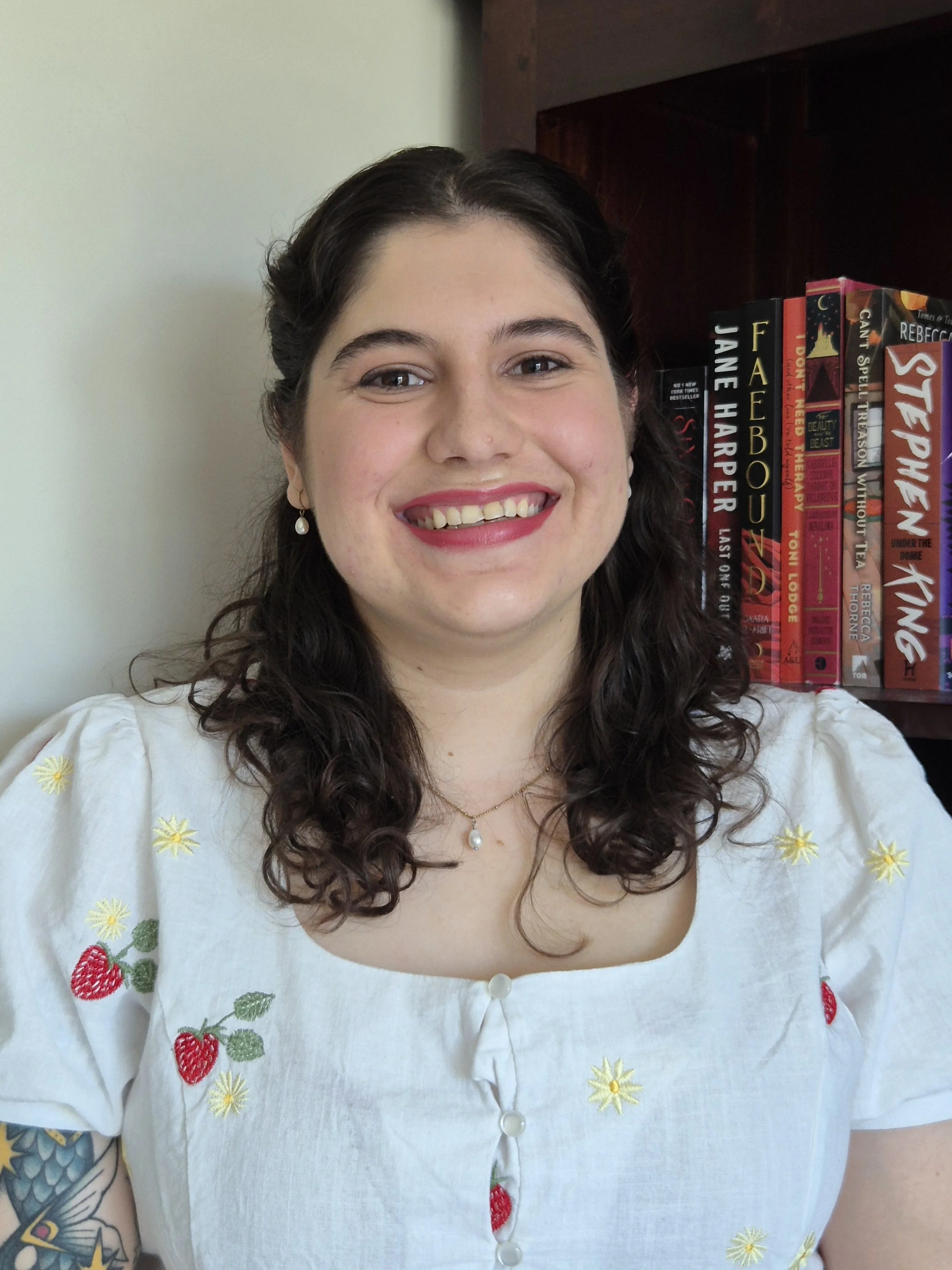
For decades, bisexual women have been pushed to the margins of lesbian feminist spaces — from separatist ideology in the 1970s to modern dating apps and community discourse. This article traces that history through archives, old LOTL issues, and lived experience, revealing how exclusion was justified, how it persists, and why solidarity between lesbians and bi+ women is vital for our shared liberation.