

Ending or Evolving? Relationship Battlegrounds
Standing at the Edge
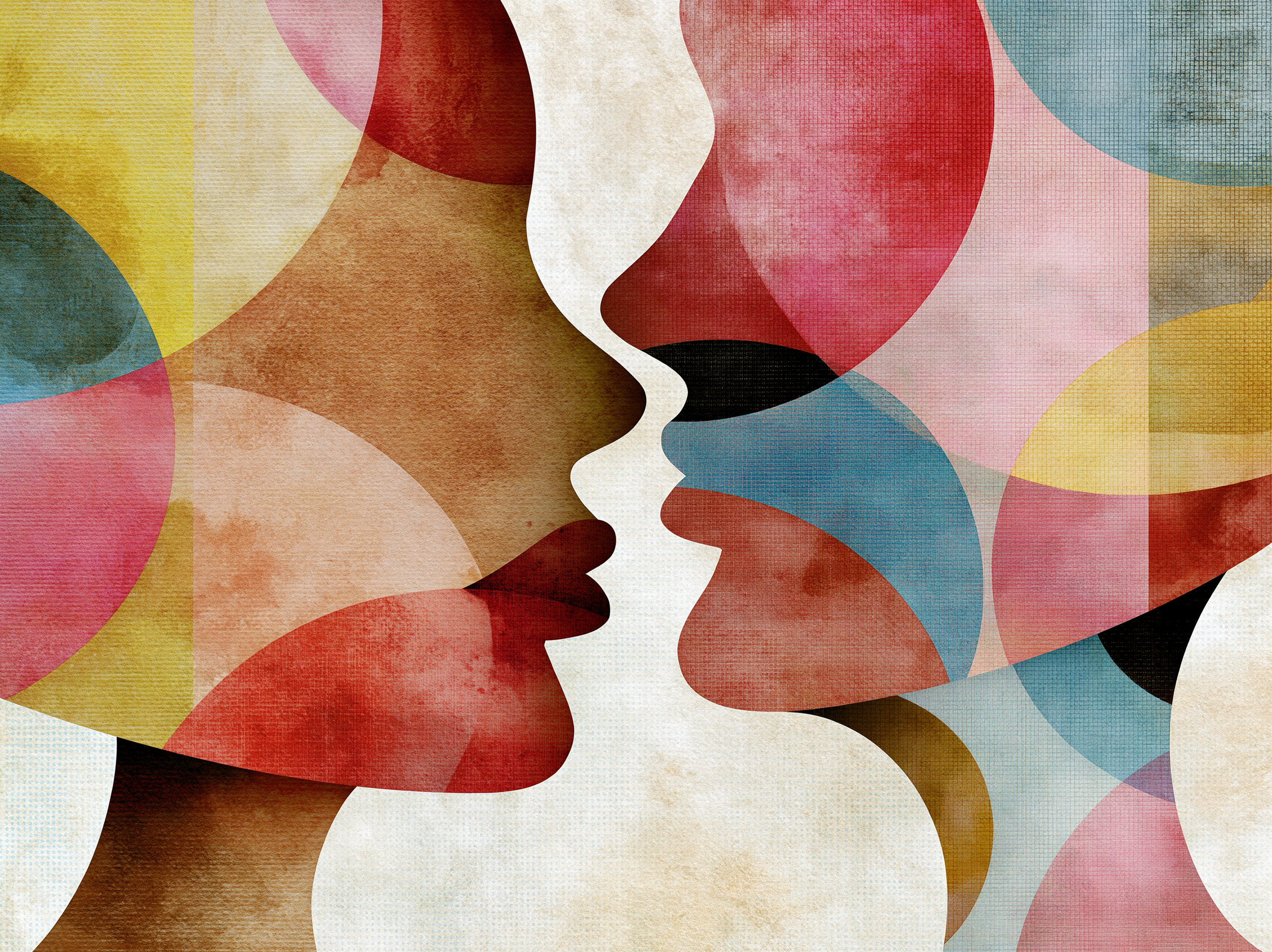
At the precipice again? How many times have you found yourself standing at the edge of a precipice in your relationship? A point where you could jump, leaving behind what you know, to launch into an unknown future - without your partner, and perhaps also without your family, your home, your pets, your familiar routines, and all the perks of coupled life you’ve created together. Do you jump, or do you stay?
For many queer people, acknowledging that our relationships are struggling, or that they may be ending, can feel complicated. We have worked so hard, for so long, for the right to love who we love. We’ve faced rejection, stigma, discrimination, and violence. Admitting that we might be suffering within our relationships can feel like an uncomfortable betrayal of hard‑won freedoms.
To protect ourselves, we can build fortresses of privacy around the vulnerabilities of our love lives, whilst living in castles of hope that things will get better. When we stay silent or isolated, instead of asking for help, we may be foregoing a valuable chance to learn new skills, improve our lives and feel better. We are all worthy of kindness, respect and support - no matter what we’re going through.
A Cup of Tea and a Step Back
Let’s step back from the terrifying precipice of endings for a moment. Grab yourself a cup of tea and let’s see if we can figure out the difference between when a relationship just needs some help, and when it might be time to take a leap into the unknown.
Conflict Isn’t the Enemy
People often panic about conflict. Conflict is rarely fun. It generally doesn’t feel good in our bodies or brains, and relationships are meant to make us feel good, right? So it’s easy to assume conflict is a bad sign, or that we are bad for having it.
We’ve all heard the stories of those perfect couples who “never fight”. Cheers to them, I say, but that has never been my experience. Conflict doesn’t have to mean anyone is a terrible person, that a relationship is unhealthy, or that it’s ending.
The Crucial Difference: Safety
Conflict must feel safe for both people.
Conflict and domestic and family violence are not the same thing. Domestic and family violence is a pattern of behaviours where one person uses abuse, intimidation, coercion or control to create or maintain power over another person. It is not limited to physical violence; it can include emotional, psychological, sexual, financial, cultural, spiritual, technological, and social abuse.
People who use violence may also use substance use or mental health struggles to explain or excuse their behaviour. These experiences may be complex and require care, but they do not make abuse acceptable, nor do they remove responsibility for preventing harm.
Healthy conflict may be uncomfortable, but it does not make us fear for our safety, question our sanity or lose our autonomy. Healthy conflict can create opportunities for evolution - individually and as a couple. Domestic and family violence undermines safety, self‑determination and equality, and it is never ok*. Sometimes relationships end because they should.
“Conflict itself isn’t the problem. The real question is whether two people can keep calming themselves down and turn toward each other with gentleness, honesty and accountability.”
Calming Down First
A wise friend in a stable, loving, long‑term relationship once told me: “In long‑term relationships you’re going to have times when you want to leave, when you don’t particularly like your partner’s behaviours, when you imagine life on your own… that is all so normal, but it’s so important to not make any big decisions from a place of high emotion… just calm down first.”
My partner and I have been together for almost seven years now, and we’ve learnt that conflict doesn’t have to mean devastation. Sometimes, relationship battlegrounds can become grounds for recalibration.
Before we can resolve an argument, we need to self‑regulate. This means calming and steadying ourselves when we feel emotionally activated. We can then ask better questions and listen more deeply: “What is this really about?”, “What hurt has this activated?”, “What do we each need to reconnect and move forward?”
Owning our own stuff, extending grace with softness and humour, and learning how to apologise properly (this does not include the time when I tried to say sorry for swearing but hadn’t finished processing my anger and ended up swearing again. We both laughed). Often, we are trying - each of us in our own imperfect ways - to be better people for ourselves, for each other and for our family.
Self‑regulation helps my partner and me reconnect.
Battlegrounds as Renewal
Conflicts can be a creative space for renewal - like a controlled burn‑off encouraging new growth. Battlegrounds can be a chance for new ways of being and learning together. Strengthening trust through deep listening, gaining better understandings and repairing ruptures, rather than staying stuck in hurt, blame, anger and disconnection.
When You Still Don’t Know
But what if you’ve calmed down, had multiple cups of tea, and you’re still not sure whether your relationship is facing ordinary challenges or heading towards its final chapter?
Relationship research can offer guidance. Dr John Gottman and Dr Julie Schwartz Gottman spent decades studying relationships and identified four communication patterns they call the “Four Horsemen” - criticism, contempt, defensiveness and stonewalling. When these become entrenched, they are associated with relationship breakdown.
The Antidotes
The good news? The Four Horsemen come with behavioural antidotes.
Replace criticism with gentle communication, contempt with appreciation and respect, defensiveness with accountability, and stonewalling with self‑regulation.
These tools are widely used in relationship therapy, including by couples therapists trained in the Gottman Model, because repair is possible when both people are willing to recognise their patterns and turn back toward each other.
A Different View from the Edge
Today the view from the edge of my relationship looks very different. Now, it’s more typically my partner and I, side by side, holding hands as we figure out how we can both jump into new and more constructive ways of communicating and relating.
I still don't know whether there is a definitive answer to the question of when to stay and when to leave (safety issues and “deal‑breakers” aside). What I do know is that conflict itself isn't the problem. The real question is whether two people can keep calming themselves down, and then turn toward each other with gentleness, respect, honesty, self‑awareness, accountability and kindness.
Talking horizontally (it helps with regulation) and making each other cups of tea can be very helpful too. Sometimes relationships evolve because both people are willing to grow together and have the safety and support to do so.
When Leaving Is Love
Having skills to repair does not mean that every relationship is meant to last. Safety, respect and willingness to take responsibility are not optional foundations of love. Sometimes leaving is the bravest and most loving choice we can make.
So, if you are standing at the edge of your relationship and don’t know which way to turn, it’s ok. Calm down, ask for help and see what happens from there. And don’t forget the cups of tea.
*Support Services
If your relationship is hurting or confusing you, or causing fear because it’s not a mutually respectful or safe space, either of you can reach out for support:
Rainbow Sexual, Domestic and Family Violence Helpline: 1800 497 212 1800 Respect: 1800 737 732 (phone, text 0458 737 732, online chat, video calls) LGBTQIA+ relationship resources: www.sayitoutloud.org.au

Bloom LGBTQ+ started as a cross‑continental love story between Lennie Maré and Ninna Andersson. Today, it’s growing into a community‑driven digital space for dating, friendship, chosen family and queer belonging — built independently and shaped by LGBTQ+ voices across South Africa, Sweden and Australia.