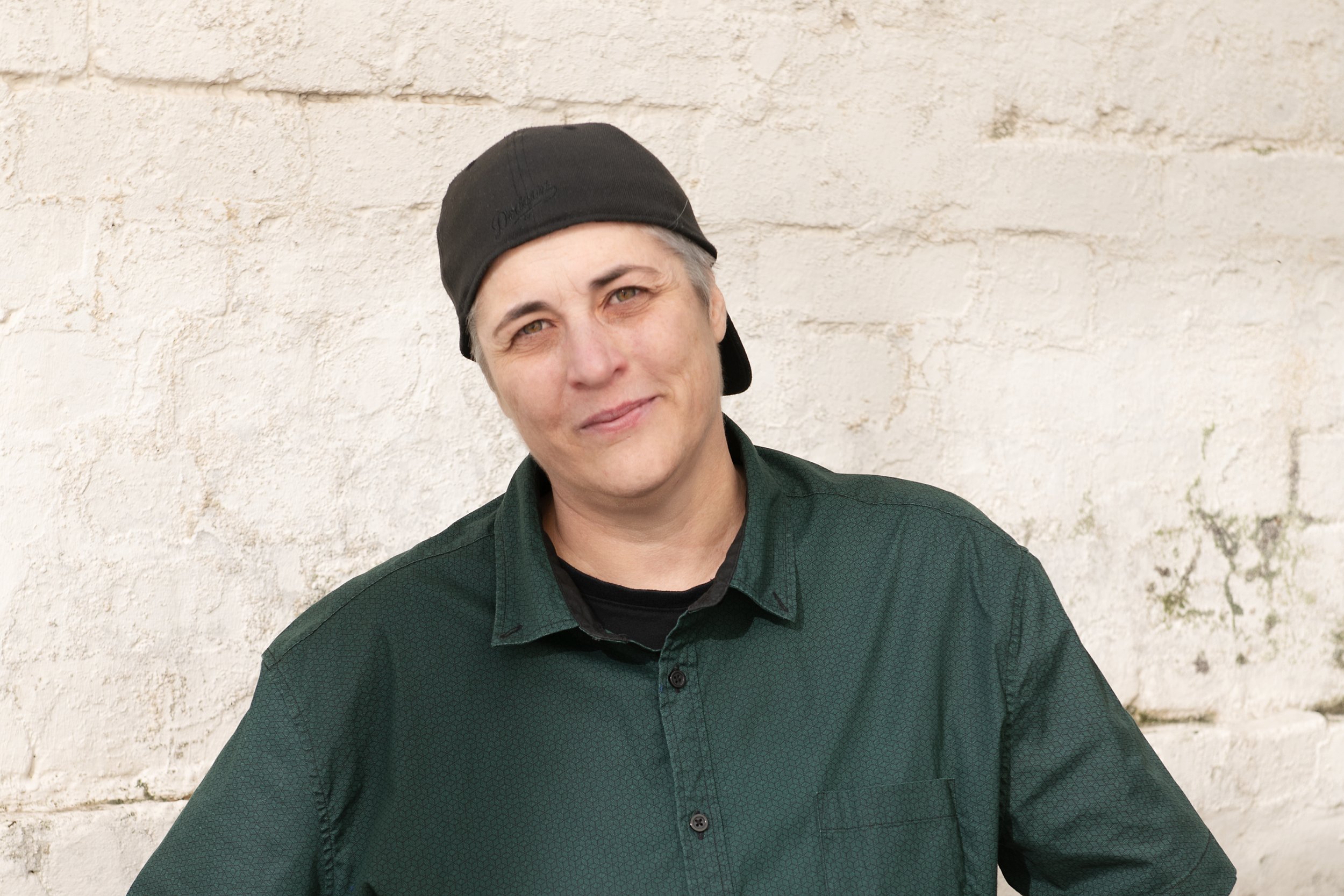
Photo by Louise Smoothy
The Power of the King
The power of drag kings is simple: every time a woman puts on male attire, embodies masculinity, and refuses to perform it for the male gaze, she does more than don a costume. She punctures the myth that masculinity is the exclusive property of men.
Welcome to the Drag King Corner. Let’s delve into gender expression in the most enticing way possible. We’ll explore a little theory, then luxuriate in the ways drag kings play with, challenge and subvert it.
A Bit of Theory (But Make It Fun)
Queer theory may be relatively young, but its roots stretch back decades. Two of its most influential thinkers - Judith Butler and Judith “Jack” Halberstam - have shaped how we understand gender as constructed and performative. Butler’s Gender Trouble and Halberstam’s Female Masculinity and The Drag King Book offer frameworks that drag kings continue to embody, test and bring to life onstage.
Kings Claiming Masculinity
Kings loudly proclaim that no gender belongs exclusively to one part of the community - and masculinity certainly doesn’t belong solely to men. Kings put masculinity on like a suit, strut it onto the stage, and then take it apart in front of us.
Because masculinity is consciously adopted as performance and entertainment, kings can exaggerate and manipulate it in ways that expose just how constructed it really is. Manspreading, entitlement, swagger, sexual bravado - the astonishing confidence with which some men can get absolutely everything wrong. Drag kings place all of it under a microscope. The message is gloriously clear: We see you. We know what you’re doing. And we’re not letting it slide.
Why It Feels Subversive
Kings have taken qualities traditionally considered precious within masculinity - power, confidence, sexual agency, physical presence - and claimed them for themselves. Then they’ve had the audacity to make them entertaining.
No wonder the art form has been underestimated and, at times, suppressed. In a culture where femininity is not treated as a scarce resource, drag queens rarely threaten anyone’s understanding of gender. Masculinity is different. A woman putting on masculinity can make people surprisingly uncomfortable - and that discomfort speaks volumes.
The Australian Drag King Revolution
It has been fascinating to watch the drag king revolution in Australia. Kings are drawing increasingly clear lines in the sand and, consciously or not, pushing further into the territory Butler and Halberstam theorised decades ago. And they’re having a brilliant time doing it.
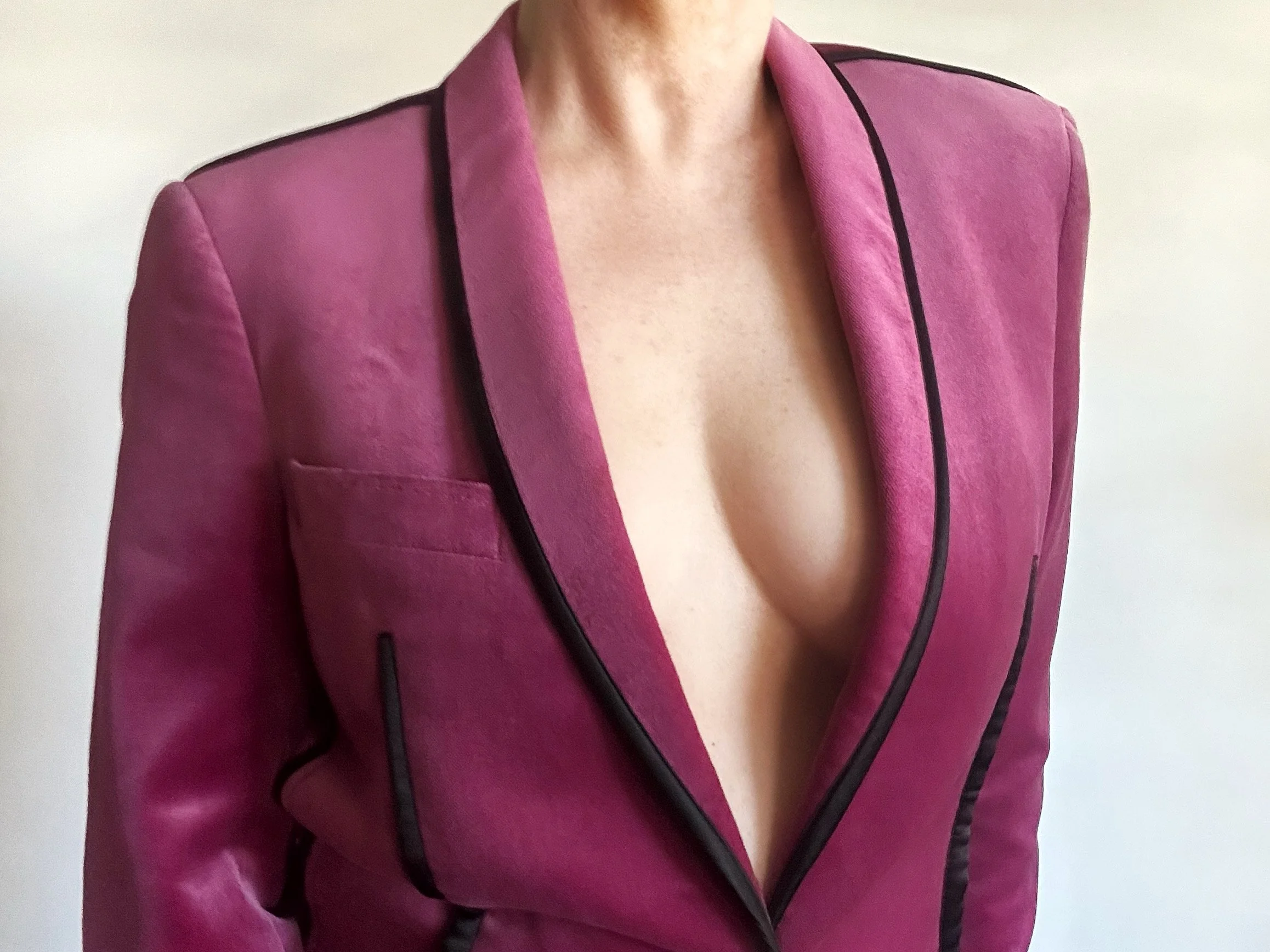
One of the biggest shifts has been the use of breast tape. It’s astonishing that such a simple tool has opened up so many possibilities in king performance. There is something undeniably hot about seeing a lesbian onstage with her breasts taped down - creating the illusion of a male chest while allowing just enough of her breasts to remain visible.
It’s one of the most visually compelling ways contemporary drag kings are taking ownership of and subverting gender. The body becomes a site of ambiguity: neither concealed nor conventionally displayed. That is drag king magic.
Rewriting the Rules of Gender
If the world could understand that gender can be performed, exaggerated, borrowed, discarded and reinvented, perhaps we could loosen the power structures built around it. Drag kings aren’t just dressing up as men. They’re asking us to reconsider what a man is, what a woman is, who gets to own masculinity, who gets to be desirable, who gets to take up space - and who gets to decide the rules in the first place.
A Better Kind of Masculinity
There is something deeply satisfying about kings highlighting forms of masculinity that aren’t toxic: confidence without domination, strength without violence, sexuality without entitlement, vulnerability without shame.
We are, after all, the change we want to see. Let’s keep blurring the lines, stealing the bravado, growing the beards, taping down the tits and making masculinity sweat a little. Move over and give drag kings room - because the most tantalising rebellion is the one that looks hot while it dismantles the rules.
Long live the drag kings.