FREE SANDRA WILLSON
How a lesbian woman was held for 18 years without conviction — and the feminist and gay activists who refused to let her disappear.
A Crime, a Trial, and a Life Indefinitely Taken
In 1959, Sandra Willson shot and killed a taxi driver. A year later, she was found not guilty due to insanity and sent to a psychiatric facility, where she was to remain until declared sane. In 1971, after an escape attempt, she was finally certified sane - but instead of being released, she was transferred to Mulawa Women’s Prison. By 1976, she was still incarcerated, held indefinitely under a sentence she had never been convicted of. Sandra became New South Wales’ longest‑serving female prisoner, spending 18 years behind bars.
Sandra was a lesbian who had spent most of her adolescence and adulthood in psychiatric institutions, repeatedly targeted by police because of her sexuality. She underwent aversion therapy multiple times as a teenager and was arrested for living as “husband and wife” with another girl. After time in Parramatta Girls Home, she trained as a psychiatric nurse and began a relationship with a fellow trainee. When a senior nurse discovered the relationship, Sandra’s partner was pressured into believing it was immoral - a moment that shattered Sandra’s stability.
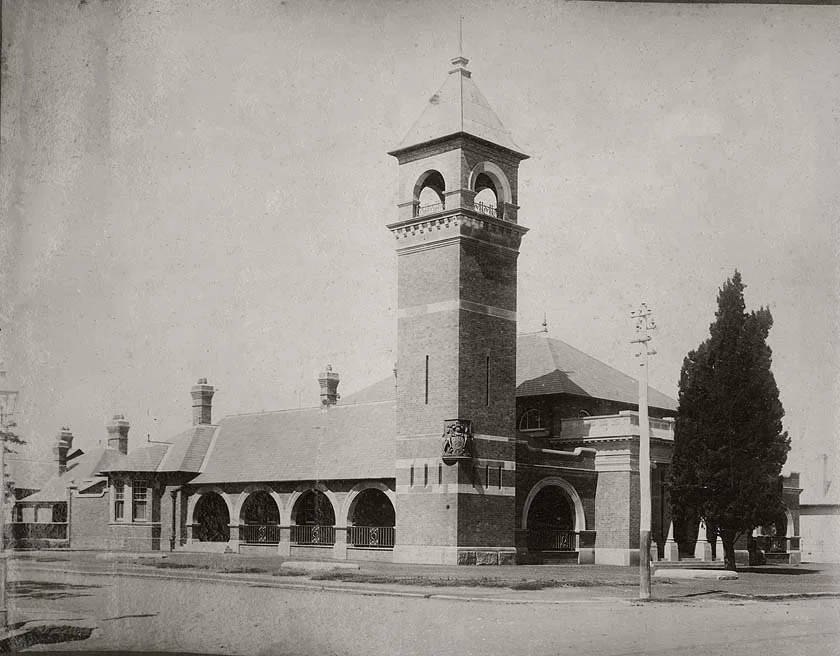
Photographic Collection from Australia, CC BY 2.0 <https://creativecommons.org/licenses/by/2.0>, via Wikimedia Commons
After being told she could “never see her again,” Sandra broke. She wanted to end her life, but believed society would not care. Instead, she decided that if she killed “one of them,” society might reflect on the discrimination that had prevented her from loving freely. She bought a gun, chose a taxi driver at random, and shot him. She attempted to steal the taxi but could not drive, and fled on foot.
Sandra turned herself in days later. After a suicide attempt, her trial was delayed while she was held in a psychiatric facility. At trial, a single doctor testified, and she was found not guilty due to insanity. She received a Governor’s Pleasure sentence - indefinite detention until deemed sane and safe for release. Although she was declared sane in 1971, she remained imprisoned.
Women Behind Bars: A Movement Takes Shape
Women Behind Bars (WBB), a feminist prison‑abolition group founded by formerly incarcerated women, saw Sandra as a clear example of someone being held illegally. When the Department of Corrections ignored their appeals, WBB launched a public campaign.
On 1 February 1977, they began a vigil in Chifley Square, creating a faux living room with furniture and potted plants. Around 40 women participated, sleeping on the concrete for sixteen days. They sang, chanted, disrupted the opening of the new courts on Macquarie Street, and gathered over 10,000 petition signatures. They hung a multi‑storey “Free Sandra Willson” banner, plastered stickers on police cars, and stormed the office of the Head of Corrections. When arrested, they mowed a Venus symbol into the lawn at Mulawa Prison.
The vigil’s visibility was crucial. WBB tailored their messaging:
To gay audiences, Sandra was a lesbian who deserved solidarity after a lifetime of discrimination.
To women, her story was a “horror story” of institutional mistreatment - aversion therapy, Parramatta Girls Home, psychiatric control, and the courts.
Sandra’s case became a rallying point for feminist, queer, and prison‑abolition politics.
CAMP NSW and the Tribunal on Homosexuals & Discrimination
At the same time, CAMP NSW was organising its 1976 Tribunal on Homosexuals and Discrimination. Sandra’s story, read by Sue Wills, was one of 46 testimonies presented to a panel including former Deputy Prime Minister Jim Cairns.
Her testimony argued that her incarceration was unjust and rooted in discrimination:
If she was meek, she was labelled institutionalised.
If she expressed anger or lesbian identity, she was labelled dangerous.
The Tribunal highlighted how discrimination in Sandra’s youth - social, medical, and legal - shaped the crime she committed and the injustice that followed.
CAMP NSW also supported WBB’s public action, republishing their reporting and maintaining a continuous presence at the vigil.
Identity Politics: Butch, Feminism, and Gay Liberation
WBB and CAMP NSW differed on one point: Sandra’s butch identity.
WBB framed Sandra as an ex‑butch lesbian who had shed “male‑identified” behaviour through feminist literature - reflecting 1970s feminist discomfort with butch identities. CAMP NSW, historically more supportive of butch lesbians, removed all references to butch identity in their publications.
Sandra’s own relationship to the label is unclear. She wore male clothing and modelled herself as “husband” in relationships, but based this on her father rather than lesbian bar culture.
Partial Freedom, Then Release
Sandra was partially released in 1977, though restrictions remained: she was denied visitors, prevented from working outside, and required to work in the prison laundry. She was fully released in October 1977, supported by WBB - and she took the prison cat with her.
After release, Sandra became active in gay, feminist, and prison‑reform activism. She founded Guthrie House, a halfway house for women leaving prison, which still operates today. She retired to Queensland and died in 1999, leaving extensive manuscripts later edited into her memoir Between Me and Myself (2022).
Sandra’s story is extreme, but the discrimination that shaped her life - social, medical, legal - continues to affect LGBTQIA+ people today.
Notes & Suggested Reading
This article is based on archival reporting from feminist and gay liberation publications of the 1970s, including CAMP Ink, Campaign, and Women Behind Bars, as well as contemporary historical research by Dr Rebecca Jennings and others who have documented Sandra Willson’s life and activism.
For readers who want to explore Sandra’s story further, her memoir Between Me and Myself (edited by Rebecca Jennings) offers an intimate look at her life inside and outside prison. Archival coverage from the Sydney Morning Herald, The Tribune, and feminist collectives provides additional insight into the activism that led to her release.