Extended Interview: Barbara Baird
This page features an archived interview from 2024, included as a temporary example while we prepare new Extended Interview Episodes. Fresh interviews will be added throughout the next month.
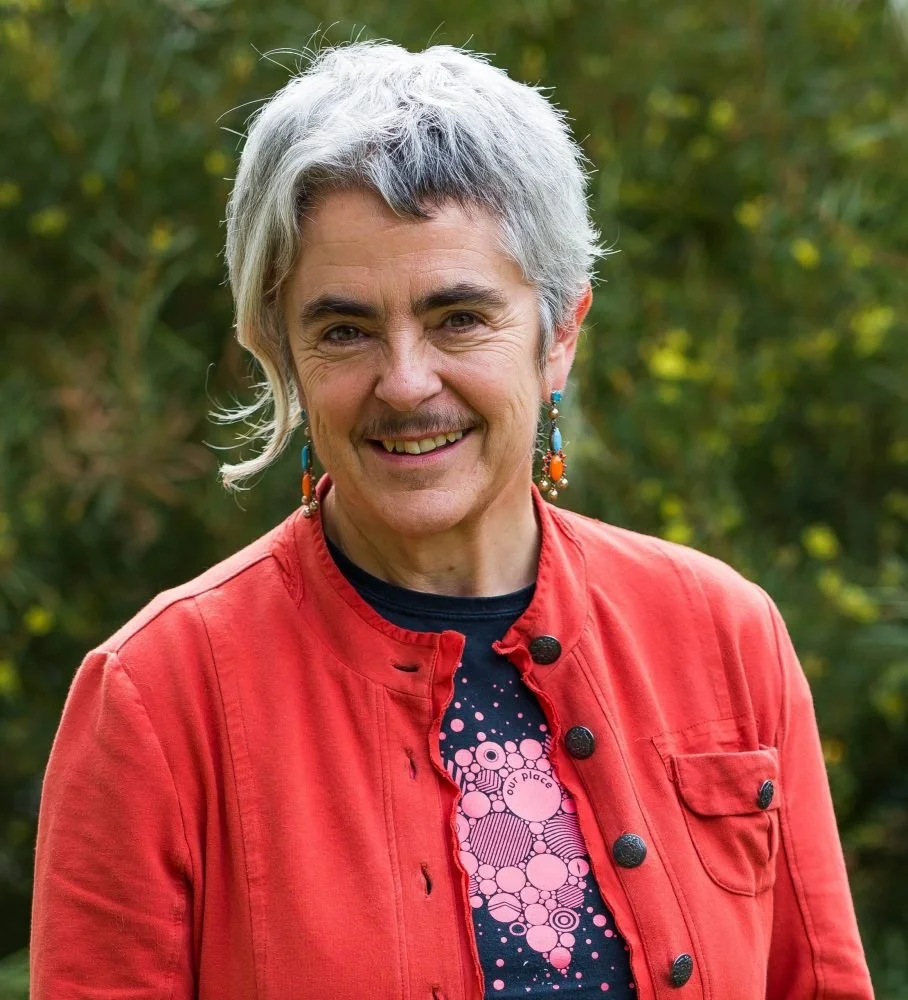
Associate Professor Barbara Baird is one of Australia’s leading historians of gender, sexuality, and reproductive politics. Based at Flinders University, her work has reshaped national understanding of feminist activism, abortion rights, queer history, and the shifting landscape of citizenship in modern Australia.
Baird has spent decades examining how personal experience intersects with political life — from the women’s liberation movement to contemporary debates around bodily autonomy and LGBTQIA+ rights. Her scholarship is known for its clarity, compassion, and rigorous attention to the lived realities of those whose stories often sit outside mainstream narratives.
As part of a long‑running research collaboration with Leigh Boucher, Michelle Arrow, and Robert Reynolds, Baird brings a vital perspective to Personal Politics, offering a nuanced account of how gender and sexuality have shaped - and been shaped by - Australian political culture over the last fifty years.
Watch the Video Podcast
A deep conversation on Personal Politics - a groundbreaking history of gender, sexuality, and activism in Australia from the 1970s to today.
Listen Up
Prefer audio? Here’s the full conversation with Barbara Baird in podcast format.
EPISODE SUMMARY
In this extended interview, Barbara Baird speaks with LOTL about Personal Politics, a major new work that traces the intertwined histories of feminist activism, LGBTQIA+ movements, and political change in Australia since the 1970s.
The book examines the celebrated milestones — from the decriminalisation campaigns of the early 1970s to the achievement of marriage equality in 2017 — while also asking harder questions about who has been included, who has been left out, and how the “personal became political” in ways that continue to shape public life today.
Baird discusses the collaborative nine‑year process behind the book, the activists and communities whose stories drive the narrative, and the complex wins and losses that define fifty years of social change. It’s a thoughtful, expansive conversation about citizenship, identity, and the ongoing struggle for equality in Australia.